


As a well - service pumps supplier, I've spent years in the industry, witnessing the crucial role these pumps play in various well - service operations. One question that often comes up in discussions with clients is whether well - service pumps need to be protected from the weather. In this blog, I'll share my insights based on practical experience and industry knowledge.
Well - service pumps are designed to handle the demanding tasks associated with well operations, such as pumping fluids, fracturing, and cementing. These pumps are typically exposed to harsh environments, both in terms of the substances they pump and the external weather conditions.
Let's first consider the impact of different weather elements on well - service pumps. Extreme heat can have a detrimental effect on the pump's components. High temperatures can cause the lubricants in the pump to break down more quickly. Lubrication is essential for reducing friction between moving parts, and when the lubricant deteriorates, it can lead to increased wear and tear on bearings, pistons, and other critical components. For example, in a desert region where temperatures can soar above 40 degrees Celsius during the day, the pump's internal temperature can rise significantly, accelerating the degradation of the lubricating oil. This not only shortens the lifespan of the pump but also increases the risk of mechanical failures.
On the other hand, extreme cold can also pose challenges. In cold climates, the fluids inside the pump can thicken, making it more difficult for the pump to operate efficiently. The thickened fluids increase the viscosity, which in turn requires more power to pump. This can put additional stress on the pump's motor and other power - transmission components. Moreover, freezing temperatures can cause water in the pump to expand, potentially leading to cracked pipes, valves, or other parts. For instance, in a winter - prone area, if a well - service pump is left unprotected overnight, the water inside it can freeze, causing irreversible damage.
Rain and humidity are also factors to be considered. Moisture can corrode the metal parts of the pump. The outer casing, valves, and pipes are all susceptible to rusting when exposed to water for extended periods. Rust not only weakens the structural integrity of the pump but can also contaminate the fluids being pumped. In coastal areas, where the air is more humid and salt - laden, the corrosion process is even more rapid. Saltwater is highly corrosive, and it can eat away at the pump's components much faster than fresh water.
Wind can also be a problem, especially in areas with high - velocity winds. Strong winds can carry dust, sand, and other debris, which can enter the pump through small openings. These particles can act as abrasives, scratching and wearing down the internal surfaces of the pump. Over time, this can lead to reduced efficiency and performance of the pump.
Now, let's take a look at some of the well - service pumps we offer and how protection from the weather can benefit them. The NOV JWS - 400 Tapered Valves and Seats Pump is a high - performance pump designed for a variety of well - service applications. This pump has precision - engineered valves and seats that are sensitive to environmental factors. Protecting it from the weather can ensure that these components remain in optimal condition, providing consistent and reliable performance.
The GARDNER DENVER 600 Pump is another popular choice among our clients. It is known for its durability and efficiency. However, exposure to extreme weather conditions can still take a toll on its performance. By providing proper weather protection, we can extend the pump's service life and reduce maintenance costs.
The NOV JWS - 400 Caged Valves Pump is designed with caged valves for enhanced reliability. But like all well - service pumps, it needs to be shielded from the elements. Weather protection can prevent debris from entering the caged valves, which could otherwise cause blockages and affect the pump's operation.

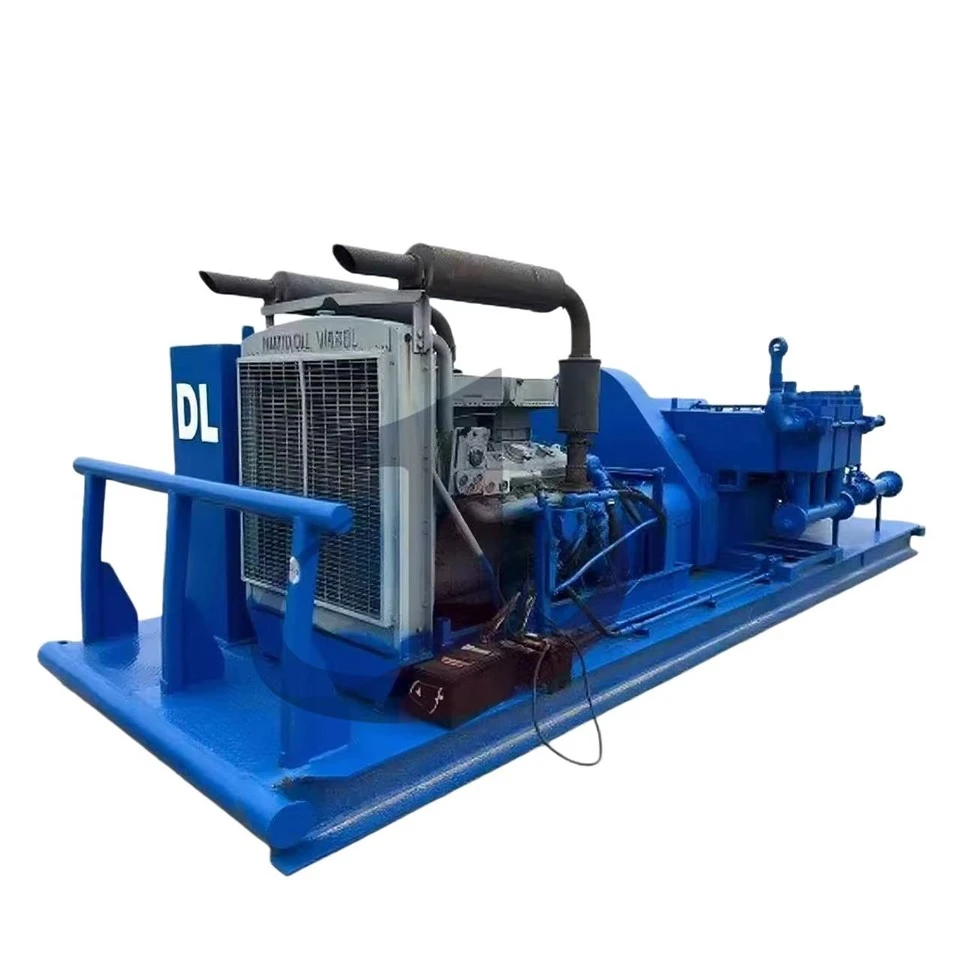
So, how can we protect well - service pumps from the weather? One option is to use enclosures. A well - designed enclosure can shield the pump from rain, wind, and direct sunlight. It can also help regulate the temperature inside, protecting the pump from extreme heat and cold. Enclosures can be made of various materials, such as steel or fiberglass, depending on the specific requirements and the environment in which the pump will be installed.
Another approach is to use covers. Covers can be placed over the pump when it is not in use, providing a simple yet effective way to protect it from the elements. They can be easily removed when the pump needs to be operated.
Regular maintenance is also crucial. Inspecting the pump for signs of weather - related damage, such as rust, corrosion, or debris accumulation, can help identify problems early on. Lubricants should be changed regularly, and any worn - out components should be replaced promptly.
In conclusion, well - service pumps definitely need to be protected from the weather. The harsh environmental conditions can have a significant impact on the performance, reliability, and lifespan of these pumps. By taking appropriate measures to protect them, we can ensure that they operate at their best and provide long - term value to our clients.
If you're in the market for high - quality well - service pumps or need advice on protecting your existing pumps from the weather, we're here to help. Our team of experts has extensive knowledge and experience in the well - service pump industry. We can provide you with the right solutions tailored to your specific needs. Contact us to start a discussion about your pump requirements and how we can assist you in making the best choices for your operations.
References
- "Well - Service Pump Handbook", Industry - specific publication on well - service pump technology and maintenance
- "Environmental Impact on Industrial Equipment", Academic research on how weather and environmental factors affect industrial machinery


