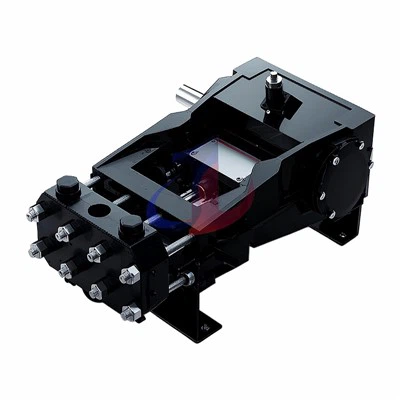
Your Professional Well Service Pumps Supplier
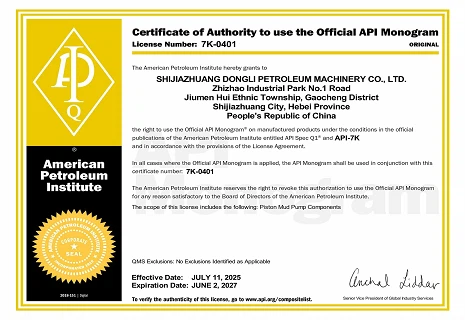
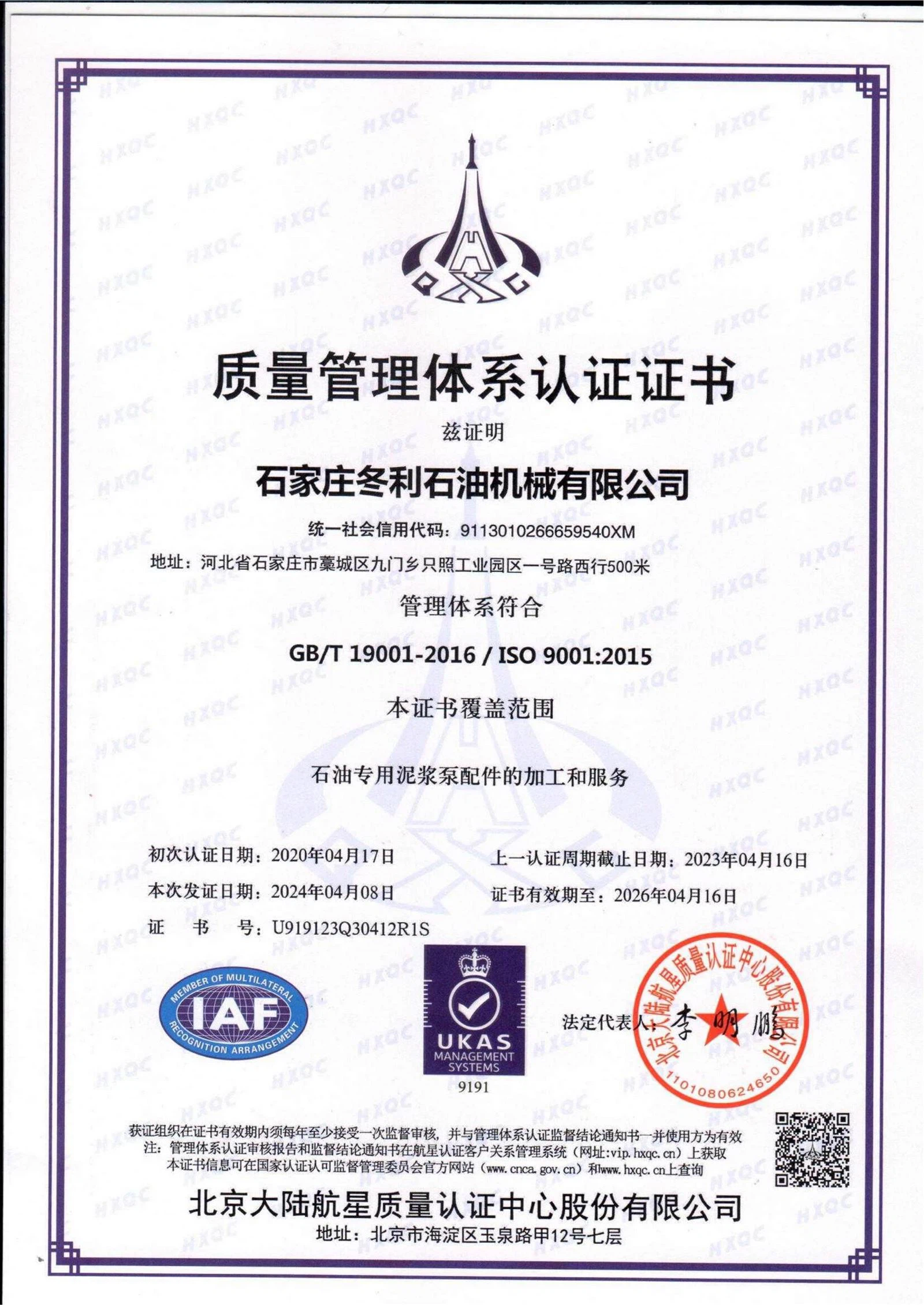
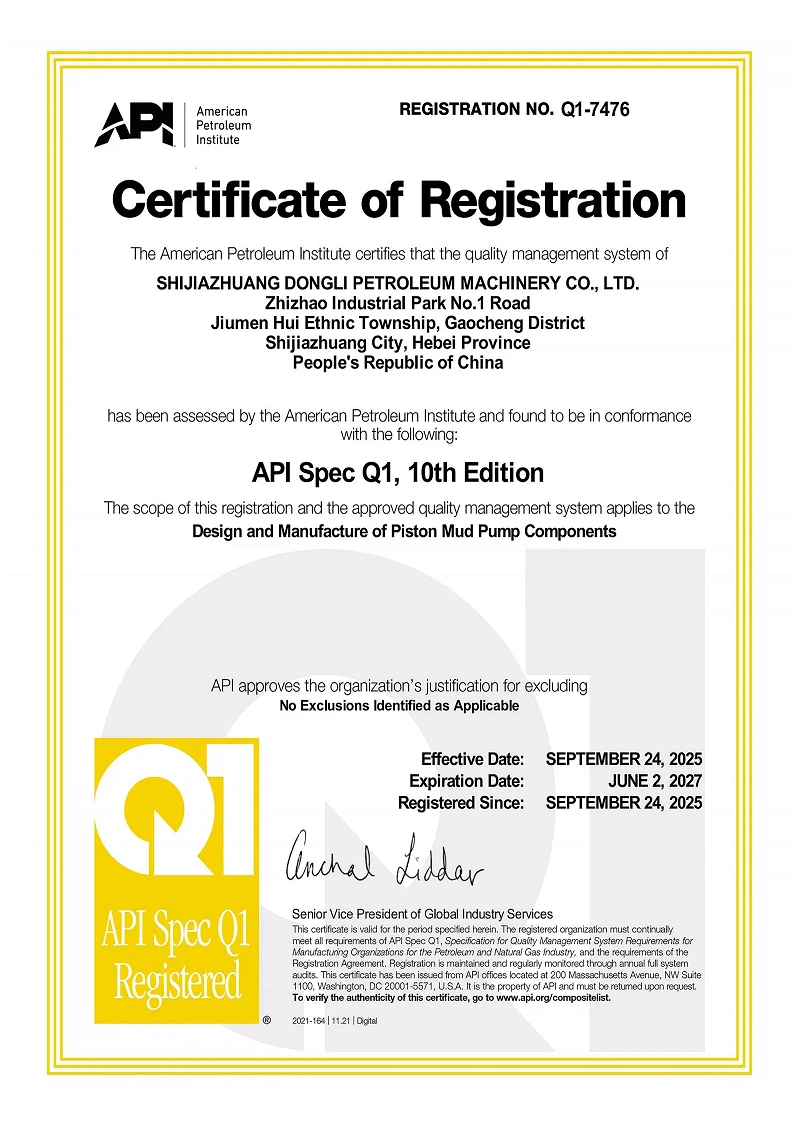
We are a certified manufacturer of mud pumps, plunger pumps, and fracturing pumps, supplying complete pump systems, accessories, and centrifuges for oil drilling, mining, and industrial use. With API 7K and ISO 9001 certification, advanced CNC machining, and full in-house testing, we deliver reliable equipment for high solids, high pressure, and harsh environments. Our products are widely applied in oil & gas drilling, mining slurry transport, environmental engineering, and high-pressure fracturing operations.
Quality Control
Multi-axis CNC machining and complete testing systems ensure consistent quality, verified performance, and full traceability for every critical component.
Global Market Experience
Strong performance in North America, Russia, and the Middle East supports reliable supply and service.
High-Quality Service
From pre-sales engineering analysis to installation, training, and after-sales maintenance, we help customers reduce risk, improve uptime, and extend equipment service life.
Parameter
|
RPM |
Required Power (hp) |
Pressure (PSI)(23/4"Plunger) |
Flow (GPM)(23/4"Plunger) ." |
Pressure (PSI)(3"Plunger) |
Flow (GPM)(3"Plunger) |
Pressure (PSI)(31/2"Plunger) |
Flow (GPM)(31/2"Plunger) |
Pressure (PSI)(4"Plunger) ." |
Flow (GPM)(4"Plunger) |
Pressure (PSI)(41/2"Piston) |
Flow (GPM)(41/2"Piston) |
|
450 |
340 |
3020 |
174 |
2539 |
206.6 |
1870 |
281 |
1430 |
367 |
- |
- |
|
400 |
340 |
3400 |
154 |
2857 |
183.6 |
2100 |
250 |
1610 |
326 |
- |
- |
|
350 |
340 |
3890 |
135 |
3265 |
160.7 |
2400 |
219 |
1840 |
286 |
- |
- |
|
300 |
340 |
4530 |
116 |
3809 |
137.7 |
2800 |
187 |
2140 |
245 |
- |
- |
|
250 |
340 |
5440 |
96 |
4571 |
114.8 |
3360 |
156 |
2570 |
204 |
- |
- |
|
225 |
340 |
6040 |
87 |
5078 |
103.3 |
3730 |
141 |
2860 |
184 |
2260 |
232 |
|
200 |
340 |
6800 |
77 |
5713 |
91.8 |
4200 |
125 |
3210 |
163 |
2540 |
207 |
|
100 |
252 |
10000 |
39 |
8403 |
45.9 |
6220 |
62 |
4760 |
82 |
3760 |
103 |
|
50 |
126 |
10000 |
19 |
8403 |
23.0 |
6220 |
31 |
4760 |
41 |
3760 |
52 |
|
25 |
63 |
10000 |
10 |
8403 |
11.5 |
6220 |
16 |
4760 |
20 |
3760 |
26 |
Types of Well Service Pumps
The Well Service Pumps produced by our company mainly include the following types:
NOV Well Service Pumps
NOV Well Service Pumps primarily reciprocating plunger types (like triplex/quintuplex) for heavy-duty oil & gas jobs, handling fluids for cementing, acidizing, waterflooding, and coiled tubing support, known for reliability in tough conditions with various designs (single/double-acting, skid/truck-mounted) for consistent flow.
SPM Well Service Pumps
SPM Well Service Pumps specifically engineered for demanding oil and gas operations like hydraulic fracturing, cementing, and acidizing, known for their durability, performance, and extended fluid-end life, helping fleets maximize uptime in harsh conditions.
Halliburton Service Pumps
Halliburton Service Pumps are a broad range of high-performance pumping solutions for oil & gas, mining, and geothermal energy, including Electric Submersible Pumps (ESPs) (Summit ESP) for deep wells, powerful frac pumps (ZEUS) for hydraulic fracturing, and specialized mining/dewatering pumps (MineESP).

Consistent Water Supply
A well pump provides a steady flow of water, eliminating the dependency on municipal water supplies. This is especially beneficial in rural areas where city water connections might not be available.
Cost-Effective
Using a well pump can be more economical over time. Once installed, you only have the operational costs of the pump, and you avoid monthly water bills.
Reliable
Submersible well pumps are known for their durability and reliability. They are designed to function underwater, reducing the risk of mechanical failures caused by weather conditions or external damage.
High Efficiency
Submersible pumps are highly efficient as they push water upwards rather than pulling it, which requires less energy and results in better water pressure and flow rates.
Clean and Safe Water
Well water is naturally filtered through soil and rock layers, which can result in cleaner, better-tasting water. Additionally, you can avoid potential contaminants often found in public water supplies.
Applications of Well Service Pumps
Residential Water Supply
Well pumps are often used in residential settings where properties rely on well water for their daily water needs. The pump draws water from the well and delivers it to the household plumbing system, providing water for drinking, cooking, bathing, and other domestic uses.
Irrigation
Well pumps are widely used for irrigation purposes, especially in agricultural settings or large-scale landscaping projects. They supply water to sprinkler systems, drip irrigation systems, or other irrigation methods, ensuring that crops, gardens, lawns, or green spaces receive adequate hydration.
Livestock Watering
Well pumps are used to provide water for livestock on farms or ranches. They ensure a consistent supply of water to animal watering troughs, ensuring the health and well-being of the animals.
Commercial and Industrial Applications
Well pumps are also utilized in commercial and industrial settings for various purposes. They may be used for water supply in commercial buildings, manufacturing processes, cooling systems, or fire protection systems.
Groundwater Management
Well pumps play a crucial role in managing groundwater levels. They can be used to lower the water table in areas prone to flooding or to control groundwater levels for construction projects, excavation sites, or underground facilities.
Geothermal Heating and Cooling
Some well pumps are designed for geothermal systems, where they extract water from the ground to harness the stable temperature of the earth for heating or cooling purposes. Geothermal heat pumps utilize the consistent underground temperature to provide energy-efficient climate control for buildings.
Installation Steps for Well Service Pumps


Determining the Suitable Location
Ensure the well where the pump will be installed is clean and deep. The well should be compatible with the pump’s power and type. There should be enough space in the installation area to allow for easy maintenance and repair of the pump.
Preparing the Pipe System
A pipe system should be prepared along with the pump. The pipes used for drawing water should be strong and durable. It is crucial to ensure the pipe system is of the right size, as the length and diameter of the pipes affect the pump's efficiency.
Installing the Electrical System
The power supply should match the pump's power requirements. Electrical cables should be insulated and not come into contact with water. Special protective devices may be used to ensure a stable power flow to the pump motor, preventing overloading.
Lowering the Pump into Position
Care should be taken to prevent damage to the pump during installation. Lower the pump slowly and carefully into the well. Ensure the pump is fully submerged; otherwise, it may be damaged by operating with air, reducing pressure.
Stabilizing the Pump
The pump should be secured in the well using a base support or suspension system. This ensures the pump operates stably without movement. It is essential to fix the pump so it does not touch the sides of the well.
Testing and Adjusting
Once installed, the pump should be tested. Check how the pump draws water and its pressure level during the initial startup. If the pump does not operate as expected or makes noise, the pipe and electrical systems need to be checked.
Installing Filters and Protective Devices
Filters and protective systems should be installed to prolong the life of the well pump. Filters prevent sand and other debris from entering, protecting the pump. Protective valves and pressure regulators help the pump operate more efficiently.
Planning Regular Maintenance
Regular maintenance is essential for the continuous operation of the pump. Filters should be cleaned, electrical systems checked, and any issues in the pipe system resolved. The condition of the well where the pump is installed should also be checked during maintenance, as a clean well extends the pump's lifespan.

Flow Rate: 100–2000 GPM, adjustable per site requirement
Pressure: 500–5000 PSI, customizable for well depth
Pump Type: Triplex, Duplex, or Quintuplex options available
Material: Carbon steel, stainless steel, or alloy steel for fluid ends
Stroke Length: 3–12 inches, adjustable for capacity control
Packaging and Shipping
|
Packaging |
Standard export plywood case or carton. |
|
Shipping |
DHL, TNT, UPS, FEDEX, and EMS, SF. Air and sea transportation are also supported. |
Our Factory
Shijiazhuang Dong Li Petroleum Machinery Co., Ltd. (DLSY) was founded in 2008 and is headquartered in Shijiazhuang, Hebei Province, China.

Our Certificates

FAQ
Shijiazhuang Dongli Petroleum Machinery Co., Ltd. is one of the most professional well service pumps manufacturers and suppliers in China, featured by quality products and low price. Please rest assured to buy CE approved well service pumps made in China here from our factory. Contact us for quotation.
Popular Products