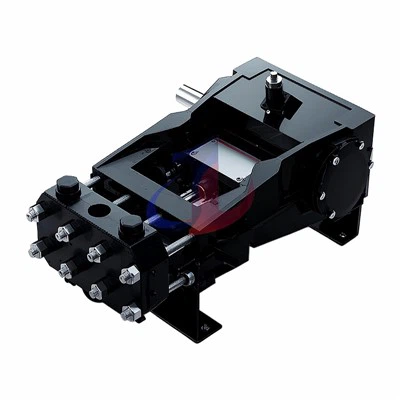
Your Professional Safety Valves Supplier
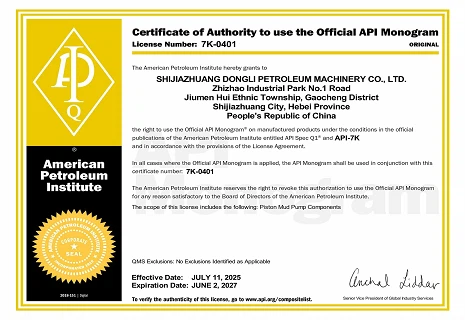
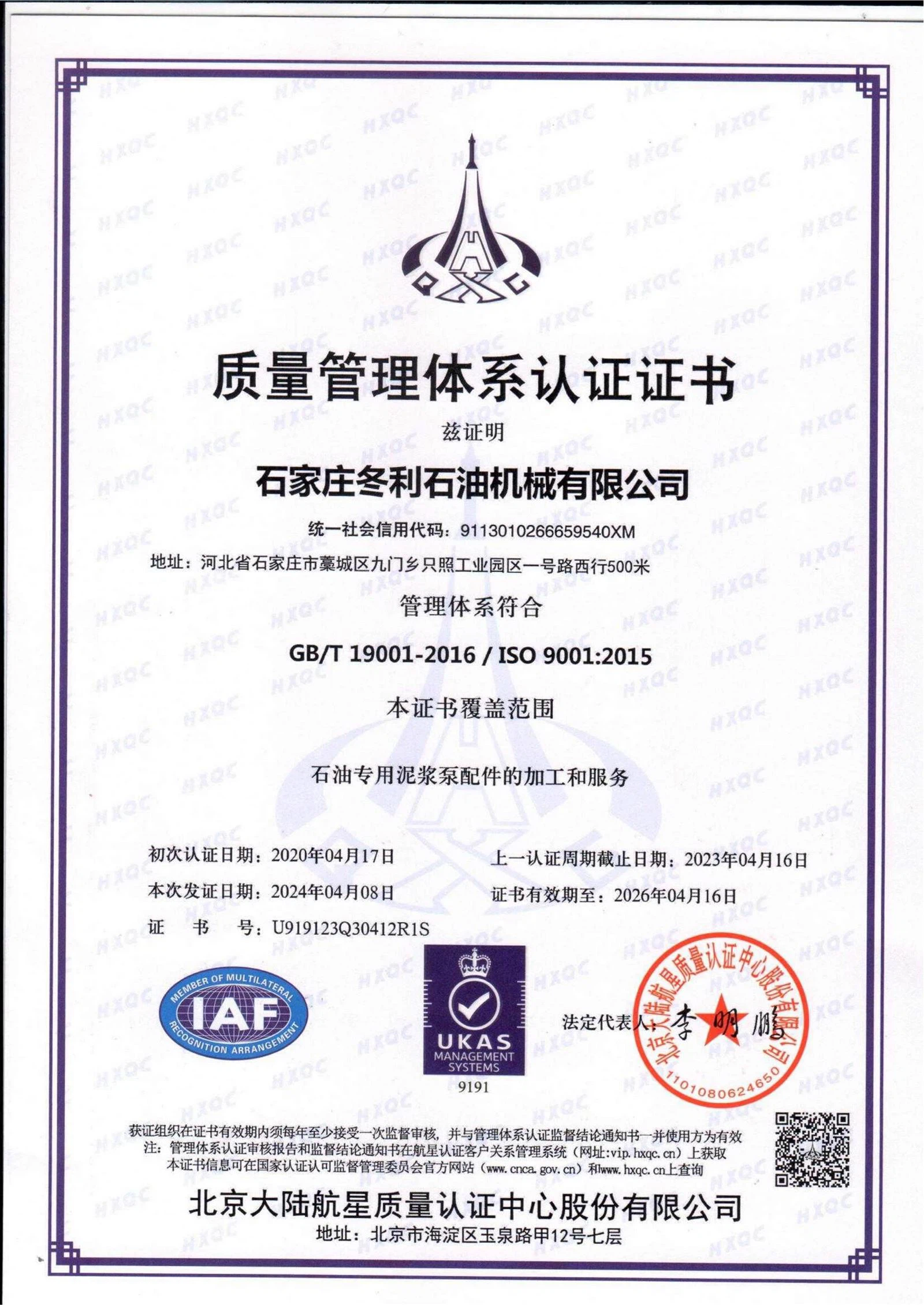
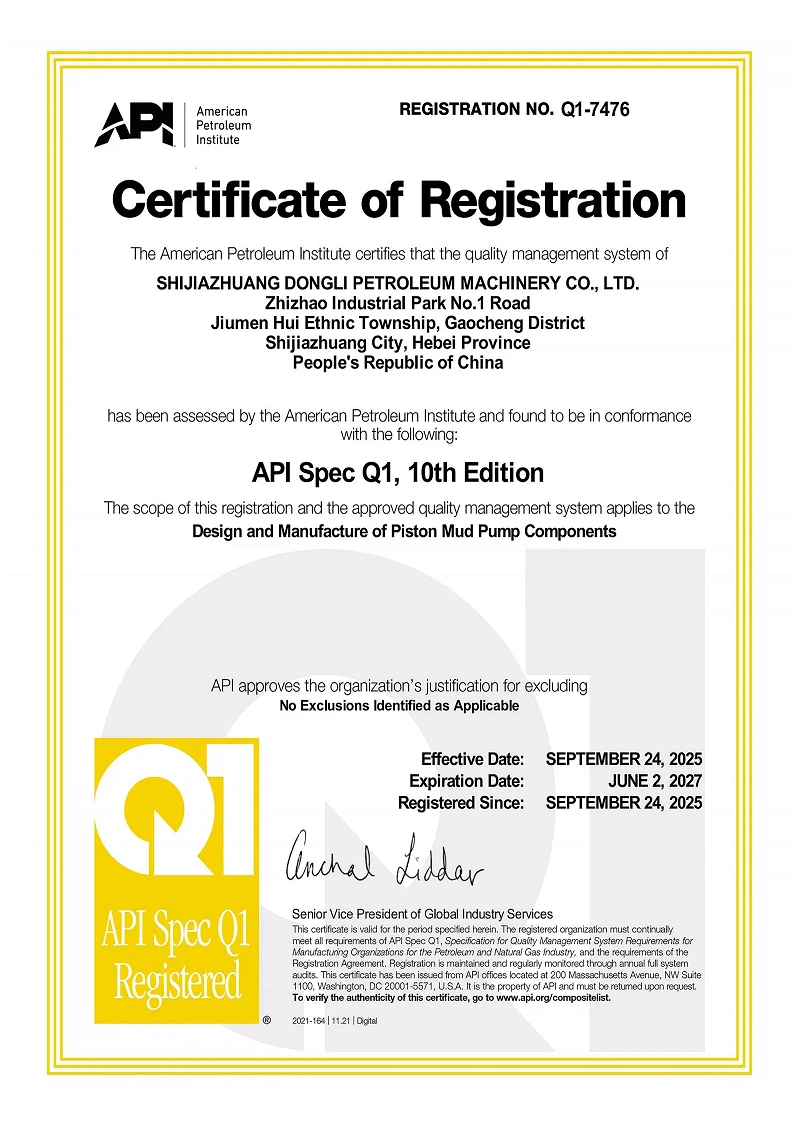
We are a certified manufacturer of mud pumps, plunger pumps, and fracturing pumps, supplying complete pump systems, accessories, and centrifuges for oil drilling, mining, and industrial use. With API 7K and ISO 9001 certification, advanced CNC machining, and full in-house testing, we deliver reliable equipment for high solids, high pressure, and harsh environments. Our products are widely applied in oil & gas drilling, mining slurry transport, environmental engineering, and high-pressure fracturing operations.
Quality Control
Multi-axis CNC machining and complete testing systems ensure consistent quality, verified performance, and full traceability for every critical component.
Global Market Experience
Strong performance in North America, Russia, and the Middle East supports reliable supply and service.
High-Quality Service
From pre-sales engineering analysis to installation, training, and after-sales maintenance, we help customers reduce risk, improve uptime, and extend equipment service life.
Parameter
|
Parameter |
Titan Class "C" specifications |
Titan CH type (Titan Class "CH") specifications |
|
Product serial number |
Series 34000 |
Series 35000 |
|
Pressure set range (adjustable) |
400 - 1,500 psi 750 - 2,500 psi 1,500 - 5,000 psi |
2,500 - 6,200 psi |
|
Operating temperature range |
−20° F to 225° F (−29° C to 107° C) |
−20° F to 225° F (−29° C to 107° C) |
|
Applicable working condition type |
Standard working conditions Acid gas working conditions (in accordance with NACE MR0175 standard) |
Standard working conditions Acid gas working conditions (in accordance with NACE MR0175 standard) |
|
In/Export diameter |
3 inches |
3 inches |
|
Connect mode options |
Flange connections (left-hand joints, e.g. Fig. 602,1002,1502) |
Flange connection (downdrivable welding reserved) by壬 connection (e.g., Fig. 1502) |
|
Key certification |
ISO 9001:2000 DNV type certification ABS type certification (for offshore platforms) |
ISO 9001:2000 DNV type certification |
|
Patent |
Hydraulic buffer system (U.S. Patent 5,715,861) |
Hydraulic buffer system (U.S. Patent 5,715,861) |
Types of Safety Valves
The safety valves produced by our company mainly include the following types:
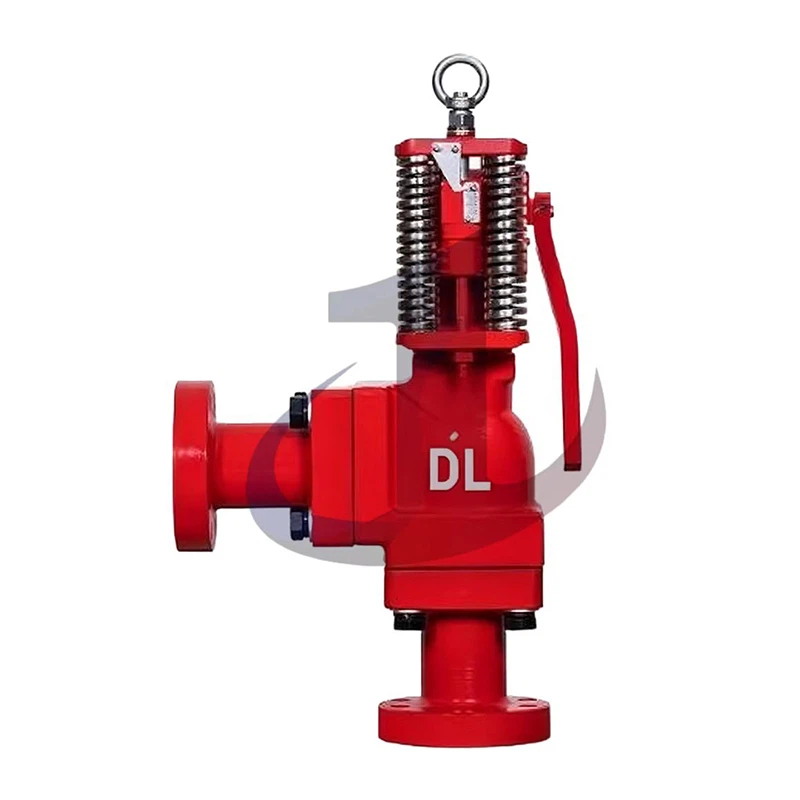
DL Sentinel Type C Reset Safety Valve
The trigger mechanism of the Titan C safety valve ingeniously employs the lever principle of a "balance beam", which is an extremely reliable and pure mechanical design.
DL Sentinel Type BX Reset Safety Valve
The Titan Class BX safety valve system operates as a sophisticated closed-loop feedback control process that combines advanced electronic monitoring technology with reliable pneumatic actuators to achieve fully autonomous operation from pressure monitoring to automatic reset.
DL Sentinel Type RX Reset Safety Valve
The valve body of Titan RX is manufactured using the advanced closed-die forging process. In this technique, a precisely heated AISI 4130 alloy steel billet is placed between two precision-engineered molds.
Advantages of Safety Valves
Preventing Equipment Damage
One of the primary functions of a safety valve is to prevent damage to equipment caused by excessive pressure. Overpressure can occur due to system malfunctions, blockages, or operator errors. Safety valves act as a fail-safe mechanism, releasing excess pressure to maintain the system’s design limits.
Enhancing Safety for Personnel
Overpressure incidents can pose significant risks to workers, leading to potential injuries or fatalities. Safety valves protect personnel by preventing dangerous conditions, such as explosions or ruptures, which could occur if pressure builds up uncontrollably.
Ensuring Regulatory Compliance
Industries are subject to strict safety regulations that mandate the use of pressure relief devices like safety valves. Compliance with these standards is essential to avoid legal penalties and maintain operational licenses.
Improving System Efficiency
Safety valves not only protect systems but also contribute to their efficiency. By maintaining pressure within optimal levels, these devices ensure consistent performance, reducing downtime caused by pressure-related malfunctions.
Versatility Across Applications
Safety valves are highly versatile and can be used in a wide range of applications, from steam boilers and pipelines to pressure vessels and chemical reactors. They are available in various designs and materials, allowing customization to suit specific industry requirements.
Minimal Maintenance Requirements
Modern safety valves are designed for durability and reliability, requiring minimal maintenance. Regular inspections and periodic testing are usually sufficient to ensure their functionality, making them a cost-effective safety solution.

Boilers and Pressure Vessels: Overpressure protection
Oil & Gas Industry: Safety protection for pipelines and process units
Chemical Industry: High-temperature and high-pressure services
Power Generation: Steam systems and auxiliary equipment
Pharmaceutical & Food Industry: Processes requiring high safety standards
PPE
Wear PPE (personal protective equipment) such as gloves, eye protection, and hard shoes.
Depressurization
Depressurize the system upstream of where the valve will be installed.
Location
Install the valve close to the pressure source. If there is a bend or elbow between the valve and the pressure source, install the valve at least 8-10 pipe diameters from the diverter.
Vertical position
Install valves in a vertical position with the stem facing upwards unless the valve design explicitly allows a different orientation.
Pipe size
Ensure the piping diameter is at least equal to the diameter of the inlet and outlet ports.
Lubrication
Avoid lubrication to prevent overtightening. Even Teflon tape provides some lubrication, so take care if using Teflon to seal a threaded connection.


Overtightening
Overtightening can damage the valve. Follow the manufacturer’s recommendation on how tight the connection should be.
Flanged connections
Tighten the bolts of flanged connections in a star pattern rather than tightening consecutive bolts. The latter can lead to an improper distribution of tightening.
Pressure fluctuations
Install the valve away from zones of pressure fluctuation—for example, turbulent areas near other valve outlets.
Support
Ensure the valve is properly supported to avoid undue stress on the valve body.
Steam
Install safety and pressure relief valves above a steam pipe to avoid condensation interacting with the valve.
Customizable Options
Pressure Rating
2,000–20,000 psi
Connection Type
Threaded, Flanged, Welded
Thread Standard
NPT, BSPP, BSPT
Body Material
Carbon Steel, Stainless Steel, Alloy Steel
Trim Material
SS 316, Inconel, Hardened Steel
Seal Material
NBR, FKM, PTFE, Metal Seal
Packaging and Shipping
|
Packaging |
Standard export plywood case or carton. |
|
Shipping |
By sea, air, Express |
Our Factory
Shijiazhuang Dong Li Petroleum Machinery Co., Ltd. (DLSY) was founded in 2008 and is headquartered in Shijiazhuang, Hebei Province, China.

Our Certificates

FAQ
Shijiazhuang Dongli Petroleum Machinery Co., Ltd. is one of the most professional safety valves manufacturers and suppliers in China, featured by quality products and low price. Please rest assured to buy CE approved safety valves made in China here from our factory. Contact us for quotation.
Popular Products