


Hey there! As a safety valves supplier, I often get asked about the set pressure of safety valves. It's a crucial topic that can have a big impact on the safety and efficiency of various systems. So, in this blog post, I'm going to break down what the set pressure of a safety valve is, why it matters, and how to determine the right set pressure for your specific needs.
Let's start with the basics. The set pressure of a safety valve is the pressure at which the valve is designed to open and relieve excess pressure from a system. This is a critical function because it helps prevent over - pressurization, which can lead to equipment failure, leaks, or even explosions in extreme cases.
Think of it like this: your safety valve is like a guard at the entrance of a building. It's there to make sure that when things get too crowded (or in the case of a system, when the pressure gets too high), it opens the doors and lets some of the pressure out to keep everything safe.
Now, why does the set pressure matter so much? Well, if the set pressure is too high, the valve might not open when it should. This can cause the system to operate under dangerous levels of pressure, putting the entire setup at risk. On the other hand, if the set pressure is too low, the valve may open prematurely, leading to unnecessary pressure relief and potentially disrupting the normal operation of the system.
So, how do you determine the right set pressure for your safety valve? There are several factors you need to consider. First off, you need to look at the maximum allowable working pressure (MAWP) of the system. The set pressure of the safety valve should be set below the MAWP to ensure that the valve opens before the system reaches a dangerous pressure level.
For example, if your system has a MAWP of 1000 PSI, you might set the safety valve's set pressure at 900 PSI. This gives you a bit of a buffer and ensures that the valve will open and relieve pressure before the system hits its limit.
Another important factor is the type of fluid or gas in the system. Different substances have different properties, and these can affect how the pressure builds up and how the safety valve responds. For instance, if you're dealing with a highly compressible gas like hydrogen, the pressure can build up very quickly, and you may need to set the safety valve to open at a lower pressure compared to a less compressible fluid like water.
The operating conditions of the system also play a role. If the system operates in a high - temperature environment, the pressure can increase due to thermal expansion. In such cases, you need to take this into account when setting the pressure of the safety valve.
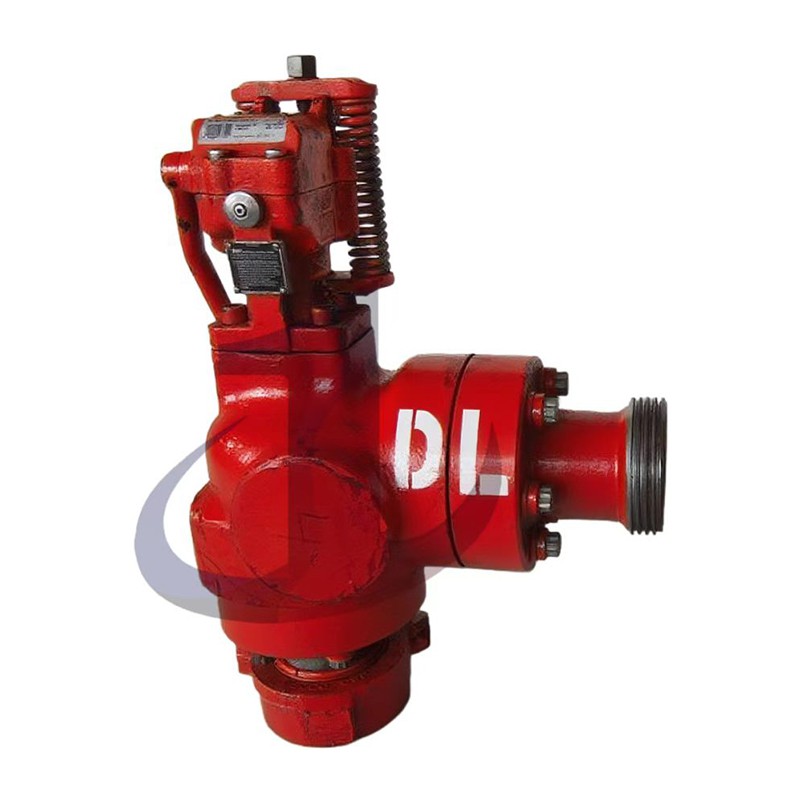
At our company, we offer a wide range of safety valves to suit different needs. For example, the DL Sentinel Type RR 2 Inch Reset Safety Valve is a great option for many applications. It's designed to be reliable and accurate in relieving excess pressure when needed.
If you're dealing with higher pressures and need a larger valve, the DL Sentinel Type RR 3 Inch 5000 PSl Reset Safety Valve might be the right choice for you. This valve is built to handle the demands of high - pressure systems and can provide the necessary protection.
And then there's the DL Sentinel Type RX Reset Safety Valve. It has some unique features that make it suitable for specific types of systems, especially those that require precise pressure control.
When it comes to actually setting the pressure of the safety valve, it's not something you should do on your own. It's best to have a qualified technician or engineer handle it. They have the knowledge and experience to ensure that the valve is set correctly and that it will function properly when needed.
The first step is to perform a detailed analysis of the system. This includes looking at all the factors we've talked about, such as the MAWP, the type of fluid or gas, and the operating conditions. Once they have a clear understanding of the system, they can calculate the appropriate set pressure.
After that, they'll use specialized tools to adjust the valve to the set pressure. This is a delicate process, and it requires precision to make sure that the valve opens and closes at the right times.

Once the valve is set, it's important to test it regularly. This helps ensure that it's still functioning correctly and that the set pressure hasn't changed over time. Regular testing can also help catch any potential issues before they become major problems.
In conclusion, the set pressure of a safety valve is a critical aspect of any system that deals with pressure. It's important to choose the right valve for your needs and to have it set correctly by a professional. At our company, we're here to help you with all your safety valve needs. Whether you're not sure which valve to choose or you need help with setting the pressure, we've got the expertise and the products to support you.
If you're interested in learning more about our safety valves or getting a quote for a specific product, don't hesitate to reach out. We're always happy to have a chat and discuss how we can meet your requirements. Let's work together to keep your systems safe and running smoothly.
References
- ASME Boiler and Pressure Vessel Code
- API 520 - Sizing, Selection, and Installation of Pressure - Relieving Devices in Refineries
- ISO 4126 - Safety devices for protection against excessive pressure


