


Hydraulic output and pressure mapping (310 BHP limit)
At a fixed input power of 310 BHP, the pump's performance is inversely proportional to the diameter of the plunger: a smaller plunger can achieve very high pressure, while a larger plunger prioritizes flow (per rotation displacement) at the expense of pressure.
Ultra-high pressure capability: The pump delivers 10,000 PSI (703 kg/cm²) pressure at low speeds (34 RPM) with 3.5-inch and 4.0-inch plungers. The low flow rate (34–44 GPM) makes it ideal for specialized tasks like deep well injection or high-pressure testing.
Maximum flow capacity: The pump achieves a maximum calculated flow of 357 GPM (1,351 LPM) when using a 5.0-inch plunger and running at 175 RPM, with a corresponding pressure limit of 1,350 PSI.
The following table details the intermittent performance envelope of the PA8/PAH three-cylinder pump at 310 BHP input power.
|
Piston diameter (in/mm) |
Gallbladder displacement per rotation (GAL/L) |
Maximum pressure at low RPM (PSI) |
Maximum flow at 175 RPM (GPM / LPM) |
Typical service applications |
|
3.5 / 89 |
0.999 / 3.782 |
10,000 |
175 / 662 |
Acidification, increase production (maximum pressure) |
|
4.0 / 102 |
1.305 / 4.940 |
10,000 |
228 / 864 |
Deep grouting |
|
4.5 / 114 |
1.652 / 6.252 |
8,050 |
289 / 1094 |
Medium Pressure Fracture/Compression |
|
5.0 / 127 |
2.039 / 7.718 |
5,000 |
357 / 1351 |
High-capacity transportation/boring support |
|
The rated value is based on 90% mechanical efficiency and 100% volumetric efficiency. |
Power side structure: advanced metallurgical technology and mechanical integrity
The PA8/PAH powertrain is engineered to maximize mechanical uptime, utilizing precision-machined components and high-strength alloys to withstand the intense cyclic loads and vibrations inherent in three-cylinder pump operation.
A. Power frames and reciprocating assemblies
Frame components: The power frame, eccentric wheel, and crosshead are all manufactured from ductile iron (Nodular Iron). Compared to standard gray cast iron, ductile iron delivers superior tensile strength and ductility, effectively resisting impacts and providing excellent vibration damping-critical for high-stress mobile equipment.
Crankshaft: The crankshaft is made of single piece forged alloy steel. As the core component that converts the piston's linear motion into rotational motion, the forging process ensures the maximum density and uniformity of the material, providing the highest fatigue resistance for this key component.
Crosshead Guide: Wear on the crosshead guide is managed through an easily replaceable bronze crosshead slider. These replaceable bronze components act as sacrificial parts, effectively protecting the main ductile iron frame structure from scratches and wear, thus enabling quick and low-cost maintenance.
B. Efficient transmission system
Main Gear: The main gear is meticulously crafted from heat-treated 4140 alloy steel. The heat treatment process optimizes the steel's hardness and core strength, maximizing its resistance to surface pitting and gear fracture. 4140, a versatile high-strength low-alloy steel, ensures the highest level of durability when applied to main gears.
Gear geometry: The pump employs a double helix (man-shaped) gear design. This configuration ensures even pressure distribution across the tooth surface, effectively counteracting axial thrust. Compared to single helical or spur gears, this design significantly reduces stress on the eccentric shaft and jackshaft bearings, resulting in quieter operation and extended service life.
Gear ratio: The typical operating gear ratio range is 4.5:1 to 4.95:1, used to balance the input speed of the prime mover with the maximum operating speed required by the pump (up to 175 RPM).
C. Bearings and lubrication system
The bearing system features critical eccentric shafts supported by heavy-duty spherical roller bearings, specifically engineered to handle high radial loads and accommodate dynamic minor alignment deviations. The Jack shaft is supported by robust heavy-duty straight roller bearings.
Lubrication System: This integrated system combines full splash lubrication with a forced feed mechanism powered by an internal oil pump. The forced feed ensures pressurized oil flow to critical bearing surfaces and wrist pin ends, delivering essential active thermal management and wear reduction during high-speed, intermittent operations.
Hydraulic end design: metallurgy, multi-function components and high wear management
A. Hydraulic cylinder structure (integral and independent)
The PA8 platform features both standalone hydraulic cylinders (made from heat-treated alloy steel blocks) and robust forged integral hydraulic end modules. These integral modules, typically machined from 4130 forged heat-treated material, are highly favored in modern wellhead service applications.
The monolithic design delivers superior stress distribution and extended fatigue life compared to cast or multi-piece components. High-precision hydraulic cylinders are constructed from robust alloy steel forgings such as 35CrMo or 40CrMnMo, effectively resisting high-pressure cyclic fatigue.
B. Piston rod and bushing system
Piston Rod: The piston rod serves as a critical connector between the power end and hydraulic end, typically fabricated from SAE/AISI 4140 alloy steel. Crucially, these rods undergo hard chrome plating to achieve an exceptionally hard, smooth, and corrosion-resistant surface. This coating is essential for maintaining sealing integrity (preventing fluid leakage) and extending the service life of associated packing and seals.
Professional bushings: For high-abrasion drilling mud or cementing operations, premium chromium bushings and specialized ceramic bushings (common in PZH-8 models) are recommended. These materials deliver exceptional wear resistance and feature mirror-polished surfaces to maximize piston/plunger service life.
C. Valve assemblies and application-specific consumables
The valve assembly complies with API 7# standard and is interchangeable. The selection of valve types and inserts is critical for operational performance and service life under different fluid types.
Cementing/grouting services: Use of centrally oriented steel valves with a robust rubber or polyurethane insert (e.g., gravel valve or standard valve). These designs are designed to effectively seal viscous, high-solids slurries.
Corrosion/Testing Services: Optional configurations include stainless steel valve seats and Delrin balls or other corrosion-resistant materials. These materials are essential for maintaining pump system integrity when handling corrosive saltwater or acidic liquids.
D. System protection and packing integrity
Implementing piston cleaning and external lubrication systems in hydraulic systems is essential for high-pressure applications. In high-pressure plunger systems, any leakage or entry of abrasive particles from external sources can rapidly degrade the packing material. The cleaning system significantly extends the service life of seals and prevents piston rod failure by maintaining clean and lubricated surfaces as the piston rod passes through the packing.
Operational suitability and core applications
A. Wellhead service application (high-pressure task)
The pump's intermittent rating and pressure capacity up to 10,000 PSI clearly define its professional positioning in the wellhead service sector.
Acidization and chemical injection: Using small plungers (3.5 to 4.0 inches) and corrosion-resistant consumables, 10,000 PSI pressure is achieved for deep reservoir permeability or wellbore cleaning.
Cementing: High-pressure application of cement slurry to isolate water layers or repair casing leaks. This requires pumps to use specialized valve inserts to handle high-solids, abrasive slurries.
Fracturing support: Acts as a booster or main pump in smaller, staged fracturing operations, with a 310 BHP output sufficient to meet local production needs.
B. Drilling and circulation services
While the PA8/PAH platform is smaller than typical main drilling mud pumps (such as the 750 BHP PZ8), it proves highly effective for workover rigs, small-bore drilling operations, and auxiliary services.
In this role, pumps typically use a larger piston/liner configuration (4.5 to 5.0 inches) to maximize volumetric flow rate for circulating the drilling fluid, and operating pressure is typically below the safety threshold of 4,000 PSI.
C. Field integration and mobility
The PA8/PAH platform is specifically engineered for mobility, typically mounted on robust field skids and paired with heavy-duty mechanical drive systems (diesel engines and multi-speed transmissions). This configuration delivers reliable torque output in challenging terrains, making it essential for remote operations lacking sophisticated electrical infrastructure.
Connection Specifications: The pump employs standard API flanges for both discharge and suction manifold connections. High-pressure applications typically utilize smaller discharge flanges (e.g., 2-inch), which are suitable for low-flow/high-pressure requirements. The equipment is compatible with renowned industrial diesel engines (such as the Detroit 8V71/60 series), enhancing overall durability and resale value.

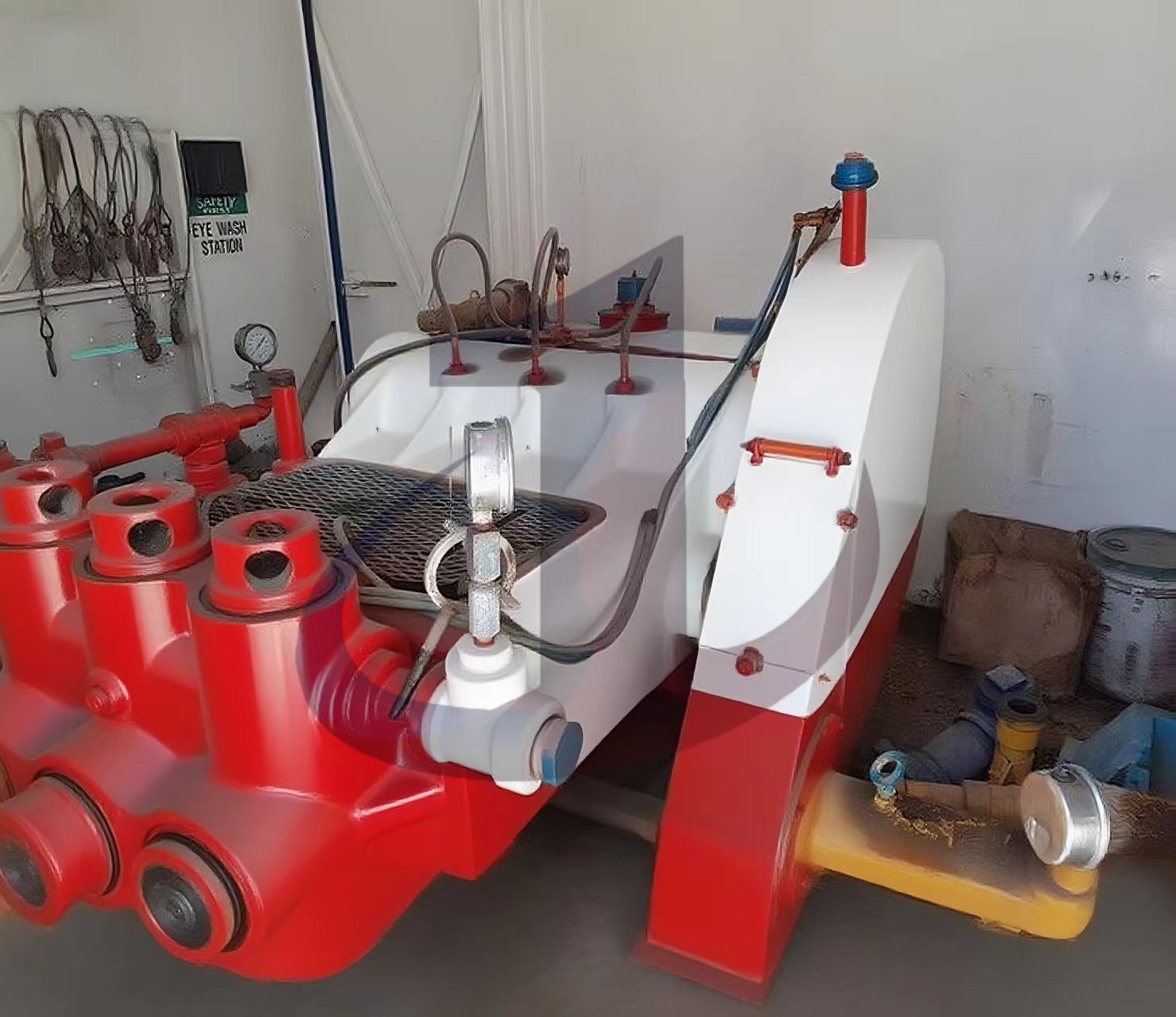

Hot Tags: gardner denver pa8 pump, China gardner denver pa8 pump manufacturers, suppliers, factory


