

1. The plunger pump cannot start: check whether the power supply is normal, whether the control valve is open, whether the hydraulic oil is sufficient, etc.
2. The plunger pump has insufficient flow: it may be caused by wear or aging of the seal, wear or strain on the inner surface of the cylinder body, etc. Check whether the seal and the inner surface of the cylinder body are normal, and replace them in time if there are any problems.
3. The plunger pump makes too much noise: it may be caused by unclean hydraulic oil, too small or too large gap between the plunger and the cylinder body, and poor sealing of the inlet and outlet oil valves. Check the cleanliness of the hydraulic oil, the gap and the inlet and outlet oil valves. If there are any problems, replace or adjust them in time.
4. The plunger pump leaks oil: it may be caused by aging or wear of the seal, wear or strain on the inner surface of the cylinder body, etc. Check whether the seal and the inner surface of the cylinder body are normal, and replace or adjust them in time if there are any problems.
5. The plunger pump temperature is too high: This may be caused by unclean hydraulic oil, insufficient flow, excessive pressure, excessive friction, etc. Check whether the cleanliness, flow and pressure of the hydraulic oil are normal. If there is a problem, replace or adjust the relevant parts in time.
Common Troubleshooting Of Plunger Pumps
Popular Products
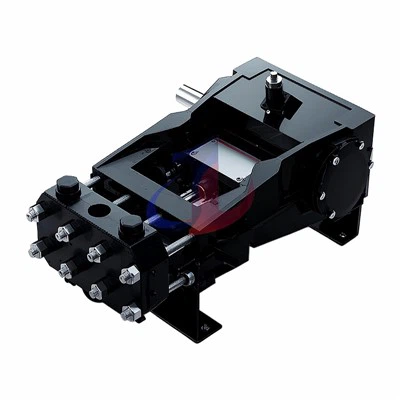
DL FR-50 GPM COMP HDD Pump
DL FR-50 GPM COMP High-Pressure Plunger Pump: Superior Performance, Robust DurabilityThe DL FR-50 GPM COMP is a newly

DL BEAN FR-70GPM HD HDD Pump
The DL FR-70 GPM HD high-pressure plunger pump is not just a power unit; it's a critical partner in ensuring your

NOV 14-P-220 OME 7500PSI Mud Pump
The power end is the heart of the Mud Pump, and its design and manufacturing quality directly determines the

NOV JWS-400 Caged Valves Pump
The NOV JWS-400 (cage valve) three-cylinder reciprocating workover pump is a strategic solution engineered to address

NOV JWS-340 Special Pump
JWS-340 SPECIAL is a reciprocating triplex pump designed for intermittent high-pressure operation. Its core performance

DL Sentinel Type C Reset Safety Valve
The trigger mechanism of the Titan C safety valve ingeniously employs the lever principle of a balance beam, which is

DL Safe-Set Hammerless Liner Retainer
Black-JAK Core Technology Analysis: The Engineering Basis of Superior Performance

DL Sentinel Type RRV 3 Inch 8000 PSl Reset Safety Valve
The core mechanism of this valve lies in its pop-action pressure relief capability. When pipeline pressure exceeds a